Are Loose Electrical Outlets Dangerous?
We've all encountered loose electrical outlets at home or work. Loose outlets are not only annoying, they're also dangerous.
We've all encountered loose electrical outlets at home or work. Loose outlets are not only annoying, they're also dangerous.
As Wyoming home and commercial inspectors, we frequently encounter loose electric receptacles or boxes in homes, offices, garages, and shops. We always inspect for electrical problems, and any time we discover a loose receptacle or box we note it in our inspection report and recommend that the problem is repaired immediately.
Outlets vs. Receptacles
These terms are often used interchangeably, but technically electrical "outlet" is a term that applies to all outlets on a branch wiring circuit. That is, every end-point along a wire running from the circuit breaker box is an outlet. The outlets may include receptacles (where you plug in electric appliances), light switches, light fixtures, and more.
Loose Outlets/Receptacles
Loose electric receptacles are not uncommon, particularly in older homes and commercial properties. We've all had the experience of plugging an electric appliance into a wall receptacle and noticing that the connection felt loose or noticing that the male plug is falling out of the receptacle. Receptacles that were cheaply manufactured and of lower quality, that are used frequently, or that supply power to a high-draw appliance are more likely to become loose over time. An electric receptacle that is used frequently to power a vacuum cleaner is a good example of this type of usage.
Over time and with repeated usage, the contacts in electric receptacles may degrade and become worn out which leads to the receptacle contacts being loose. The plastic components of the receptacle that hold the contacts in place may also degrade and begin to crack or crumble over time which also may lead to loose contacts in the receptacle. The result is that the male plug is noticeably loose when it is plugged into a receptacle. This wear in the receptacle may be caused by a variety of factors.
Why Do Electric Receptacles Become Loose?
All materials degrade over time. The older the electric receptacles are in your house or commercial building, the more likely that the effects of aging will lead to the contacts becoming loose. The quality of the receptacle also plays a role as higher-quality receptacles will likely last longer due to being made with better materials and manufacturing techniques.
Mechanical forces also play a role in loosening electric receptacles. As electric appliances are repeatedly plugged into receptacles and then unplugged the contacts are stretched and the receptacle housing is exposed to low levels of stress. Eventually the contacts and the receptacle housing materials become fatigued and begin to fail.
Heat is another factor that leads to the contacts and housing of electric receptacles failing. Appliances that require a lot of power to operate (vacuum cleaners, air conditioners, electric heaters, etc.) all result in the receptacle becoming hot during usage. This heat build-up tends to accelerate the degradation and failure of materials in the receptacle.
Vibration is yet another factor that leads to electric receptacles failing over time. The electric current that is passing through the wiring and receptacles (and into appliances) in your home or commercial building creates vibrations. Over the course of years, these tiny vibrations result in wear and eventual fatigue of the electric receptacle components.
Why Are Loose Receptacles Dangerous?
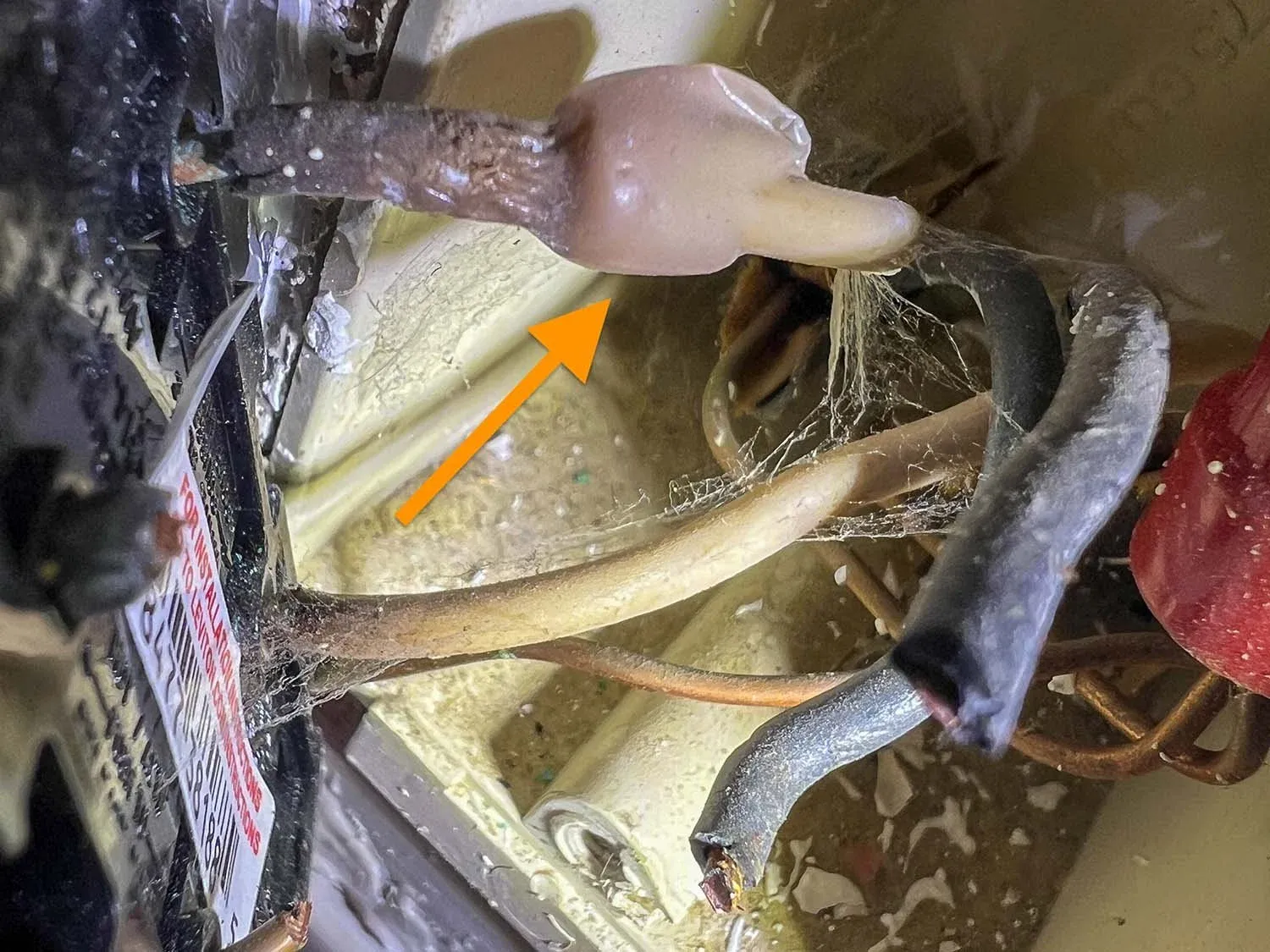
Loose electric receptacles are dangerous, whether they are in a home, commercial building, garage, shop, or any other location.
Receptacles that have become loose may allow the male plug to dangle with exposed prongs that could create a risk of electric shock if someone inadvertently touches the exposed prongs. This may especially be a risk for small children. These exposed prongs also create a risk of an inadvertent electrical short being created if a conductive object is dropped or falls and comes into contact with the prongs. Plugs that are not firmly seated in a receptacle create a risk of electric shock or fire.
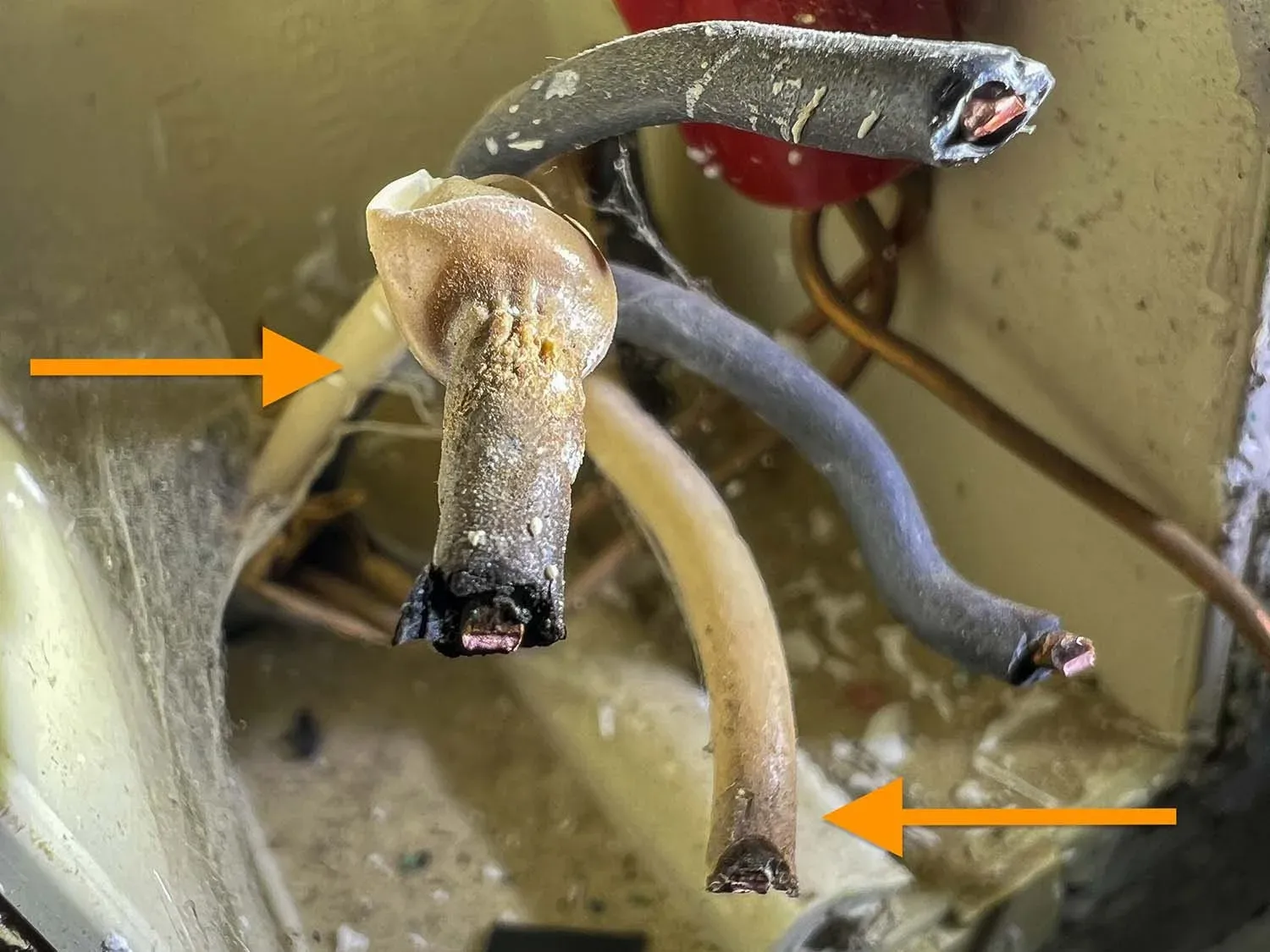
Receptacles that are loose also result in poor contact between the prongs on a plug and the receptacle itself. Loose electric connections result in arcing - where the electric current jumps over an air gap between the plug prongs and receptacle contacts much like what happens with a spark plug in your vehicle's engine. Electric arcing results in heat which leads to further deterioration of the receptacle and may lead to an electrical fire.
Loose Electric Outlet Boxes
A similar problem, and one that is often also referred to as a loose electric outlet, is that of loose electric boxes. Receptacles, switches, and electric wire junctions/splices are all housed within or mounted to an electrical box.
Ideally, electric boxes are firmly attached to a wall stud. These boxes rarely come loose, though it still does happen due to impacts or repeated stress on the box - like the stress caused by yanking on electric cords to unplug them from a receptacle. Sometimes, however, electric boxes are installed using different techniques and these boxes are more likely to become loose in the wall and to move every time a switch or receptacle is used.
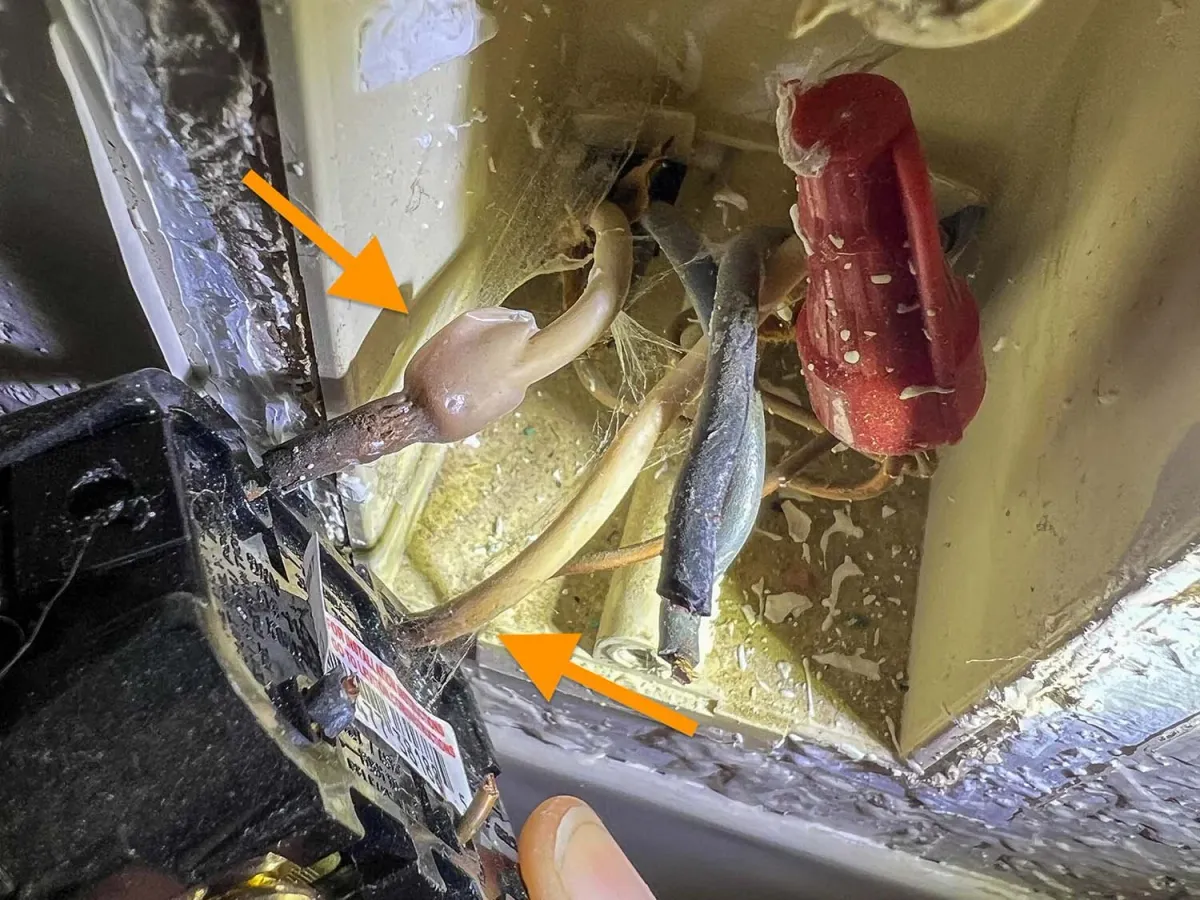
This too is a dangerous condition as the wires are continually being stressed and moved, and the electric connections are continually being stressed and may begin to move. Over time, the wires may break, the protective sheathing on the wires may chafe and expose the wires, or the connections to the receptacle or switch may loosen. As the connections loosen, they may cause unreliable electric service, but they may also begin to arc and overheat. The result is an electric shock or electric fire hazard.
How to Fix Loose Electric Receptacles or Boxes
Loose electric receptacles need to be replaced immediately. Loose electric receptacles create a risk of shock and fire.
Loose electrical boxes need to be properly secured in the wall or replaced immediately. Loose electrical boxes also create a risk of shock or fire.
We recommend contacting a licensed electrician, electrical contractor, or other qualified professional for all electrical repairs so that you know the repairs are performed properly and safely.
Home and commercial property inspections are not only helpful when you are purchasing a property. Periodic property inspections allow you to be aware of developing problems before they become dangerous or more expensive problems.
Let's Connect
Thank you for considering Frontier Inspections, LLC as your Wyoming home and commercial property inspector! Please reach out to us if you have any questions.
We are available by email at frontierinspectionsllc@gmail.com or by text/phone at 307-670-3706.